
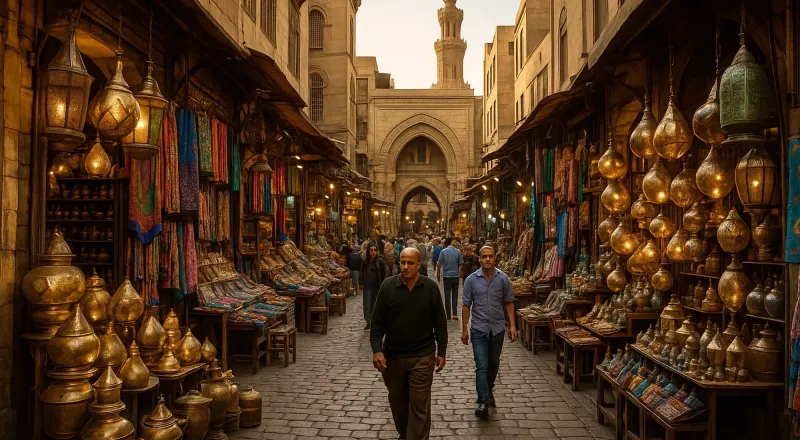
In the labyrinthine streets of Islamic Cairo, a sensory adventure awaits travelers seeking the soul of Egypt. Khan Al-Khalili, Cairo’s most famous bazaar, is a vibrant tapestry of history, commerce, artistry, and tradition. For centuries, this bustling market has served as a crossroads for traders, artisans, and explorers from around the globe. Today, it stands as both a living museum and a thriving commercial hub, offering visitors an unforgettable immersion into Cairo’s rich heritage and daily life.
Founded in the late 14th century by Emir Djaharks el-Khalili, Khan Al-Khalili was originally established as a caravanserai—a roadside inn where travelers and merchants could rest and trade goods. Over the centuries, the bazaar expanded, becoming the commercial heart of medieval Cairo and a vital link in the global trade network connecting Africa, the Middle East, and Asia. The market’s architecture, with its arched gateways, intricate mashrabiya screens, and timeworn stone walls, whispers tales of sultans, scholars, and merchants who once walked its corridors. Today, Khan Al-Khalili is not only a marketplace but a living testament to Cairo’s enduring spirit and cosmopolitan legacy.
Stepping into Khan Al-Khalili is like entering a different world—one where the past and present collide in a riot of color, sound, and aroma. The bazaar’s narrow, winding alleys are lined with stalls overflowing with glittering brass lanterns, handwoven carpets, delicate glassware, and vibrant textiles. The air is thick with the scent of spices, incense, and freshly brewed mint tea. Merchants call out to passersby, eager to share the stories behind their wares. Whether you’re searching for a unique souvenir or simply soaking up the atmosphere, every twist and turn reveals a new treasure and a fresh perspective on Cairo’s living culture.
While the entire Khan Al-Khalili district is a feast for the senses, several landmarks deserve special attention. The Al-Hussein Mosque, with its striking minarets and spiritual significance, anchors the bazaar’s northern edge and attracts pilgrims and visitors alike. The nearby Al-Azhar Mosque—one of the world’s oldest universities—offers a glimpse into Cairo’s intellectual and religious heritage. Don’t miss the legendary El Fishawy Café, the oldest coffeehouse in Cairo, where poets, artists, and travelers have gathered for over two centuries. Each of these sites adds depth and context to the bazaar experience, making your visit both educational and inspiring.
Shopping at Khan Al-Khalili is an art form in itself, with haggling and negotiation forming an essential part of the experience. Prices are rarely fixed, and merchants expect customers to bargain—so don’t be shy! Start by offering half the initial asking price and settle somewhere in between. Popular souvenirs include hand-beaten copperware, mother-of-pearl inlaid boxes, colorful scarves, perfumes, and traditional Egyptian jewelry. For a truly unique keepsake, seek out local artisans crafting items on-site—you’ll not only acquire a special piece but also witness centuries-old techniques in action.
No visit to Khan Al-Khalili is complete without sampling its culinary delights. Street vendors tempt visitors with freshly fried falafel, aromatic kebabs, and sweet pastries such as baklava and basbousa. Traditional coffeehouses serve strong Turkish coffee and sweet mint tea, perfect for a mid-shopping break. For a more substantial meal, explore the side streets for hidden gems serving classic Egyptian fare like koshari (a hearty mix of rice, lentils, and pasta) and molokhia (a flavorful green stew). Dining in the bazaar is as much about atmosphere as taste—expect lively conversations, the clatter of cups, and the melodies of live musicians drifting through the air.
One of the defining features of Khan Al-Khalili is its vibrant community of artisans, many of whom have inherited their craft from generations past. Watch as silversmiths engrave intricate patterns onto jewelry, glassblowers shape delicate ornaments, and weavers create colorful tapestries. Supporting these craftsmen not only preserves traditional skills but also ensures you take home a piece of authentic Egyptian artistry. Many workshops welcome visitors, offering demonstrations and the chance to commission bespoke pieces. Engaging with these artisans provides a deeper appreciation for the creativity and resilience that define Cairo’s cultural landscape.
Khan Al-Khalili is located in the heart of Islamic Cairo, easily accessible by taxi, ride-sharing apps, or the city’s metro system (Al-Azhar station is nearby). The bazaar is open daily, with most shops operating from late morning until well into the evening. Fridays (the Muslim holy day) see reduced hours, especially during midday prayers. The market can be crowded, particularly on weekends and in the evenings, so plan your visit accordingly. Dress modestly out of respect for local customs, and keep an eye on your belongings in busy areas. While English is widely spoken, learning a few Arabic phrases can enhance your interactions with merchants and locals.
While Khan Al-Khalili is a destination in itself, its central location makes it an ideal base for exploring other highlights of Cairo’s historic core. Wander the medieval streets of Islamic Cairo, marvel at the architectural grandeur of the Sultan Hassan Mosque, or venture to the nearby Gayer-Anderson Museum for a glimpse into 17th-century domestic life. For a panoramic view of the city, climb the minaret of Bab Zuweila, one of Cairo’s ancient gates. Each of these attractions adds another layer to your understanding of Cairo’s rich and multifaceted history, making your journey even more memorable.
Photographers will find endless inspiration in the vibrant scenes and intricate details of Khan Al-Khalili. Early morning or late afternoon offers the best natural light and fewer crowds. Always ask permission before photographing people, especially artisans at work or worshippers near mosques. Respect local customs by dressing modestly and avoiding overt displays of affection. Engaging politely with merchants and showing genuine interest in their stories can lead to memorable encounters—and perhaps even a better bargain. Remember, the true magic of Khan Al-Khalili lies not just in its sights and sounds, but in the connections you make along the way.
The bazaar is most lively in the late afternoon and evening, but visiting in the morning can offer a quieter, more relaxed experience. Avoid midday on Fridays due to reduced hours for prayers. For cooler weather and fewer crowds, consider visiting between October and April.
Yes, Khan Al-Khalili is generally safe for tourists, especially within the main market area. Like any busy urban setting, it’s wise to keep an eye on your belongings and avoid displaying valuables. Friendly police and security personnel are present throughout the bazaar.
The bazaar is easily accessible by taxi or ride-sharing apps. The nearest metro station is Al-Azhar, a short walk from the market. Many hotels also offer guided tours that include transportation and a knowledgeable guide.
Dress modestly to respect local customs—long pants or skirts and shirts with sleeves are recommended for both men and women. Comfortable shoes are essential, as you’ll be walking on uneven cobblestone streets.
Most stalls and shops in Khan Al-Khalili operate on a cash-only basis. It’s best to bring Egyptian pounds in small denominations for purchases and bargaining. Some larger stores may accept credit cards, but this is not the norm.
Yes, many local tour operators offer guided walking tours of Khan Al-Khalili and the surrounding historic district. These tours can provide valuable insights into the bazaar’s history, architecture, and cultural significance, as well as tips for effective bargaining and shopping.
Comments