
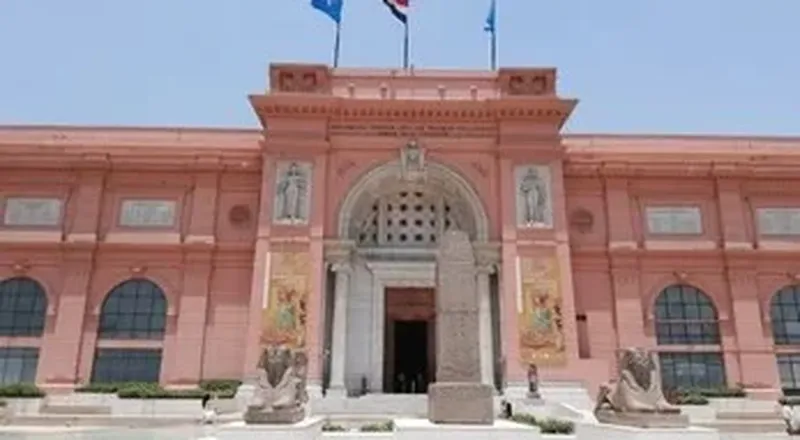
The Egyptian Museum of Cairo stands as one of the world’s most significant repositories of ancient artifacts, drawing millions of visitors each year into the heart of Egypt’s extraordinary past. Nestled in the bustling center of Cairo, this iconic institution is more than just a museum—it is a gateway to the mysteries, marvels, and monumental legacy of the pharaohs. Whether you are a history enthusiast, a passionate traveler, or simply curious about the wonders of ancient Egypt, a visit to the Egyptian Museum promises an unforgettable experience that bridges millennia.
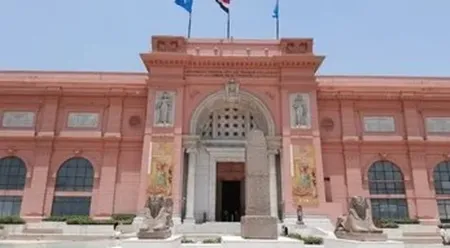
The Egyptian Museum of Cairo, also known as the Museum of Egyptian Antiquities, was established in 1902 and has since become a cornerstone of Egyptology. Its inception was driven by the urgent need to preserve the country’s priceless antiquities, which were at risk due to looting and the burgeoning interest of foreign collectors. The museum’s iconic pink neoclassical building, designed by French architect Marcel Dourgnon, was constructed in Tahrir Square, symbolizing Egypt’s commitment to safeguarding its heritage. Over the decades, the museum has grown to house over 120,000 items, making it the largest collection of Egyptian artifacts in the world. Walking through its halls is like stepping back in time, with every corridor revealing new chapters of Egypt’s rich and intricate history.
The Egyptian Museum houses an astonishing array of artifacts, but several exhibits stand out as absolute must-sees. The most famous is undoubtedly the treasures of Tutankhamun, including his iconic golden mask, ornate sarcophagi, and exquisite jewelry. These artifacts, discovered in 1922 by Howard Carter in the Valley of the Kings, have captivated the world with their beauty and mystery. Other highlights include the Royal Mummy Room, where visitors can come face-to-face with the preserved remains of legendary pharaohs such as Ramses II and Seti I. The museum also boasts an extensive collection of papyri, statues, funerary art, and everyday objects that provide invaluable insight into the lives of ancient Egyptians. Each artifact tells a story, offering a tangible connection to a civilization that flourished thousands of years ago.
One of the most compelling experiences at the Egyptian Museum is a visit to the Royal Mummy Room. This specially curated chamber is home to the mummified remains of some of Egypt’s most illustrious rulers. Here, you can gaze upon the remarkably preserved faces of pharaohs who once commanded empires and shaped the course of history. The mummies are displayed with great care, accompanied by detailed information about their reigns and the mummification process itself. The room is both awe-inspiring and humbling, providing a rare opportunity to stand mere inches from the individuals who built the pyramids and left an indelible mark on human civilization. The atmosphere is reverent, and visitors often leave with a renewed sense of wonder at the achievements of ancient Egypt.
Beyond the famous treasures and royal mummies, the Egyptian Museum offers an unparalleled opportunity to delve into the daily life, beliefs, and customs of ancient Egyptians. The collection spans the entirety of pharaonic history, from the earliest dynasties to the Greco-Roman period. Pottery, tools, clothing, and household items reveal the ingenuity and resourcefulness of ordinary Egyptians, while statues and reliefs depict gods, goddesses, and mythological scenes. The museum’s vast array of funerary objects, including canopic jars, amulets, and painted coffins, shed light on the Egyptians’ complex beliefs about the afterlife. Detailed labels and informative displays make it easy for visitors to grasp the significance of each artifact, turning a walk through the museum into an immersive educational experience.
To make the most of your visit to the Egyptian Museum, it’s important to plan ahead. The museum is located in the heart of Cairo’s Tahrir Square, easily accessible by taxi, metro, or even on foot from many central hotels. Opening hours are typically from 9:00 am to 5:00 pm, though it’s wise to check ahead for any changes due to holidays or special events. Tickets can be purchased at the entrance, with additional fees for photography and entry to the Royal Mummy Room. Given the sheer size of the collection, allow at least three to four hours for your visit—though true enthusiasts may wish to spend an entire day exploring every corner. Guided tours are available and highly recommended, as knowledgeable guides can provide fascinating context and help you navigate the museum’s highlights.
The Egyptian Museum is organized across two main floors, each offering a unique perspective on Egypt’s ancient past. The ground floor is dedicated primarily to larger statues, sarcophagi, and monumental pieces, arranged chronologically from the Old Kingdom to the Greco-Roman era. The upper floor houses smaller artifacts, including the treasures of Tutankhamun, jewelry, papyri, and the famed Royal Mummy Room. Signage is available in both Arabic and English, but some areas can be crowded, particularly during peak tourist seasons. To avoid the crowds, consider visiting early in the morning or later in the afternoon. Comfortable footwear is essential, as there is much to see and the museum’s layout can be labyrinthine. Don’t hesitate to ask staff for directions or assistance—they are generally friendly and eager to help visitors make the most of their experience.
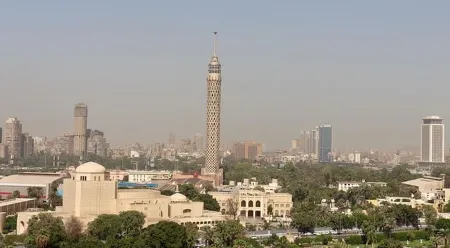
While the Egyptian Museum is undoubtedly the centerpiece of Cairo’s cultural landscape, the surrounding area is rich with additional attractions worth exploring. Tahrir Square itself is a historic and vibrant hub, often hosting public events and demonstrations. Just a short drive away, you’ll find the iconic Cairo Tower, offering panoramic views of the city, and the historic Islamic Cairo district, home to ancient mosques, bustling bazaars, and atmospheric streets. The Nile River, which flows nearby, provides opportunities for scenic boat rides and riverside dining. For those with more time, the Giza Pyramids and the Sphinx are easily accessible from central Cairo and make for an unforgettable day trip. Combining a visit to the Egyptian Museum with these nearby sites allows travelers to experience the full spectrum of Cairo’s history, culture, and charm.
The Egyptian Museum of Cairo is currently undergoing a period of transformation, as many of its most famous artifacts are gradually being relocated to the new Grand Egyptian Museum (GEM) near the Giza Plateau. Scheduled to open soon, the GEM promises to be the largest archaeological museum in the world, featuring state-of-the-art displays and interactive exhibits. However, the original Egyptian Museum will continue to play a vital role, focusing on lesser-known treasures and providing an intimate, historic setting that cannot be replicated. Together, these institutions will ensure that Egypt’s extraordinary heritage remains accessible to future generations. Visitors to Cairo are encouraged to experience both museums, witnessing firsthand the evolution of Egyptology and the enduring fascination with the land of the pharaohs.
The Egyptian Museum is typically open from 9:00 am to 5:00 pm daily. However, hours may vary during public holidays or special events, so it’s advisable to check ahead before your visit.
Most visitors find that three to four hours is sufficient to see the main highlights, but those with a deep interest in Egyptology may wish to spend a full day exploring the vast collection.
Photography is permitted in most areas of the museum for an additional fee, but flash photography and tripods are not allowed. Some exhibits, such as the Royal Mummy Room, may have stricter restrictions.
Yes, guided tours are available in multiple languages and are highly recommended for those who want to gain deeper insight into the museum’s artifacts and history. Guides can be arranged at the entrance or booked in advance.
The museum is centrally located in Tahrir Square and is easily accessible by taxi, metro (Sadat Station), or on foot from many nearby hotels. Traffic in Cairo can be heavy, so allow extra time for your journey.
Yes, the Egyptian Museum of Cairo will remain open and continue to display a significant collection of artifacts, even as some treasures are moved to the new Grand Egyptian Museum. Both museums will offer unique experiences for visitors.
Comments